

Materials + Finishes
Furniture Materials & Finishes for Interior Projects in Bangalore
Material and finish decisions affect how furniture looks, feels, functions and connects with the surrounding interior. ASTRAA approaches these decisions around application, visual direction, maintenance expectations and project requirements.
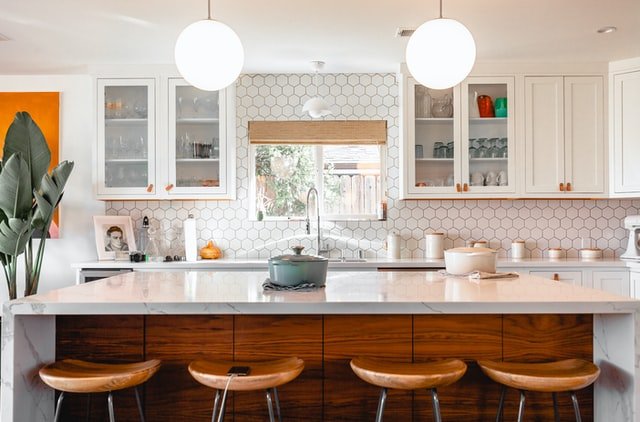
Imagery on this page is representative. It does not show ASTRAA production, an ASTRAA facility, verified ASTRAA material inventory or completed ASTRAA projects.
Material Direction
Choose Materials Around Use, Not Appearance Alone
A finish that looks right on a sample board still has to survive whatever the furniture is actually used for — a reception counter handled all day, a cafeteria table wiped down after every sitting, a wardrobe shutter opened twice a morning for years. Selection weighs that alongside how the material looks and how it relates to everything else specified for the project.
Application
What the surface has to take day to day, and in which part of the project it sits.
Visual Direction
How the finish reads against the interior it belongs to rather than in isolation.
Maintenance
How the surface is cleaned and what that means over the life of the furniture.
Project Coordination
Consistency across the furniture, joinery and finishes specified elsewhere in the scope.
Final material and finish selection depends on the project scope and the specification confirmed for it. Nothing on this page should be read as a fixed available range.
Panel + Board Materials
Panel Materials Selected According to Application
Furniture is built mostly from panel materials, and which one suits depends on where the component sits and what it has to do. These are the categories involved rather than a list of what is stocked.
- Engineered panel materials
- Furniture substrates
- Cabinet components
- Shelving
- Partitions and furniture elements where relevant
Exact material specifications are confirmed project by project. ASTRAA does not publish brands, board grades, thicknesses or performance claims on this page.

Surface Character
Finishes That Define the Look of Furniture
The surface is what people see and touch, so it carries most of the character of a piece. The directions below cover the range usually discussed at selection stage — though not every finish suits every application, and some are ruled out by where the furniture sits before appearance is even considered.
- Solid colours
- Wood-look finishes
- Textured finishes
- Matte and gloss directions where applicable
- Coordinated combinations
Availability varies by application and by what is confirmed for the project. No finish should be assumed available for every use.
Edge + Detailing
Small Details Influence the Finished Result
Two pieces specified in the same finish can read quite differently depending on how the edges are treated and how the panels meet. These details are where furniture either looks resolved or looks assembled, and they are worth deciding rather than defaulting.
- Edge treatment
- Junctions
- Panel alignment
- Handle integration
- Visible detailing
- Finish transitions
Functional Components
Hardware Selected Around Function and Configuration
Hardware is the part of furniture people interact with most and notice least until it stops working well. What is appropriate depends on the configuration — how the door opens, how often, how much it carries.
- Hinges
- Drawer systems
- Handles
- Channels and sliding mechanisms
- Connectors
- Other functional hardware where required
Hardware is confirmed at specification stage for each project. No particular brand is named here, and no accessory should be assumed standard or included by default.
Soft Materials
Coordinate Upholstery with Furniture and Interiors
Upholstery brings the only soft material into most furniture schemes, which makes it the element that sets the tone of a seating area. It is selected alongside the hard finishes rather than after them.
- Seating
- Fabric direction
- Colour
- Texture
- Visual coordination
ASTRAA does not claim fire ratings, abrasion ratings, stain resistance or any other test performance for upholstery. Where such properties matter, they are taken from the verified documentation of the fabric actually specified.
Colour + Finish Coordination
Build a Consistent Interior Language
Furniture is rarely the only thing being specified. Where the same palette runs through the joinery, the flooring and the wall finishes, a project reads as one scheme; where each element is chosen separately, the difference is visible immediately — usually at handover.
- Furniture
- Flooring
- Walls
- Partitions
- Storage
- Workstations
- Reception
- Meeting spaces
- Home interiors where relevant
Workplace Furniture
Coordinate Finishes Across the Workplace
An office floor holds several furniture categories bought at different times from different places, which is how workplaces end up with four versions of the same wood tone. Fixing the palette once, across all of it, is the simplest way to avoid that.
- Workstations
- Executive furniture
- Conference furniture
- Reception
- Storage
- Cafeteria and breakout areas
Home Interiors
Connect Furniture Finishes with the Home
In a home the fitted furniture is the interior for most practical purposes — the kitchen, the wardrobes and the media wall account for most of what is seen. Carrying two or three tones across all of them is usually what makes a home feel considered rather than furnished room by room.
- Kitchens
- Wardrobes
- TV units
- Study furniture
- Storage
- Room finishes
Project Coordination
Confirm the Specification Before Execution
Material decisions are cheap to change on paper and expensive to change afterwards. This is the intended sequence for settling them.
- 01
Understand Application
Where the furniture sits, what it takes daily and what that rules in or out.
- 02
Define Visual Direction
The palette and character the project is working towards overall.
- 03
Review Suitable Material Options
Narrowing to what actually suits the application rather than the whole range.
- 04
Coordinate Finishes
Checking the selections work together and against the wider interior scope.
- 05
Confirm Project Specification
What is being used, where, set out in writing for the project.
- 06
Proceed According to Approved Scope
Execution follows the approved specification rather than later verbal changes.
Where samples or physical finish references are available, they can be used to support selection. Samples are not available for every material or every project, and availability is confirmed against the requirement.

Current Status
Supporting a Manufacturing Capability Under Commissioning
ASTRAA’s new furniture manufacturing facility is currently under commissioning. Material and finish capability will be documented in greater technical detail as manufacturing operations, specifications and sourcing arrangements are confirmed.
Nothing on this page represents production as running today. Brands, grades, thicknesses, certifications and test performance will be published only once confirmed and verified.
Questions
Materials & Finishes FAQs
What materials does ASTRAA use for furniture?
Broadly, engineered panel materials and substrates for cabinet and shelving components, with laminates and surface finishes over them, plus metal, glass and upholstery where the design calls for them. What is used on a given project is set out in the specification confirmed for it.
Can furniture finishes be customised?
Finish direction is selected per project rather than fixed in advance — solid colours, wood-look and textured directions, and combinations across elements. What is achievable depends on the application, the scope and confirmed availability.
Can office furniture use a consistent finish across a project?
Yes, and it is usually worth insisting on. Workstations, executive and conference furniture, reception, storage and breakout areas can be specified from one palette so the floor reads as one scheme.
Can furniture finishes match existing interiors?
They can be coordinated with the flooring, walls, partitions and joinery already present. An exact match to an existing surface cannot be assumed — it depends on what is available and is confirmed against the actual material.
Does ASTRAA specify hardware as part of furniture planning?
Yes. Hinges, drawer systems, handles, sliding mechanisms and connectors are selected around the configuration and confirmed at specification stage. No accessory is included by default.
Are specific material brands available?
ASTRAA does not publish brand availability on this page. Availability depends on the confirmed project specification and on sourcing arrangements for that project, and is answered against a specific requirement rather than promised in advance.
Are material certifications currently published?
No. ASTRAA does not claim any certification, grade, rating or test performance that has not been obtained and verified. Where a project requires documented performance, it is taken from the verified documentation of the material actually specified, and anything ASTRAA holds will be published only once it genuinely applies.
Can materials and finishes be discussed before the manufacturing facility becomes operational?
Yes. Material and finish direction can be discussed for any current or upcoming project, and we will be straightforward about what can be supported now and what depends on commissioning progress.

Planning Furniture or Interior Finishes?
Share your project type, design direction and furniture requirements with us. We can help define an appropriate material and finish direction for the scope.